Count passengers realistically
Choose a car based on more than its class label. Consider whether each passenger can sit comfortably, reach a seat belt, and has enough rear legroom. If children are travelling, confirm during booking that the vehicle can accommodate the number and type of child seats you need.
Estimate luggage by size and shape
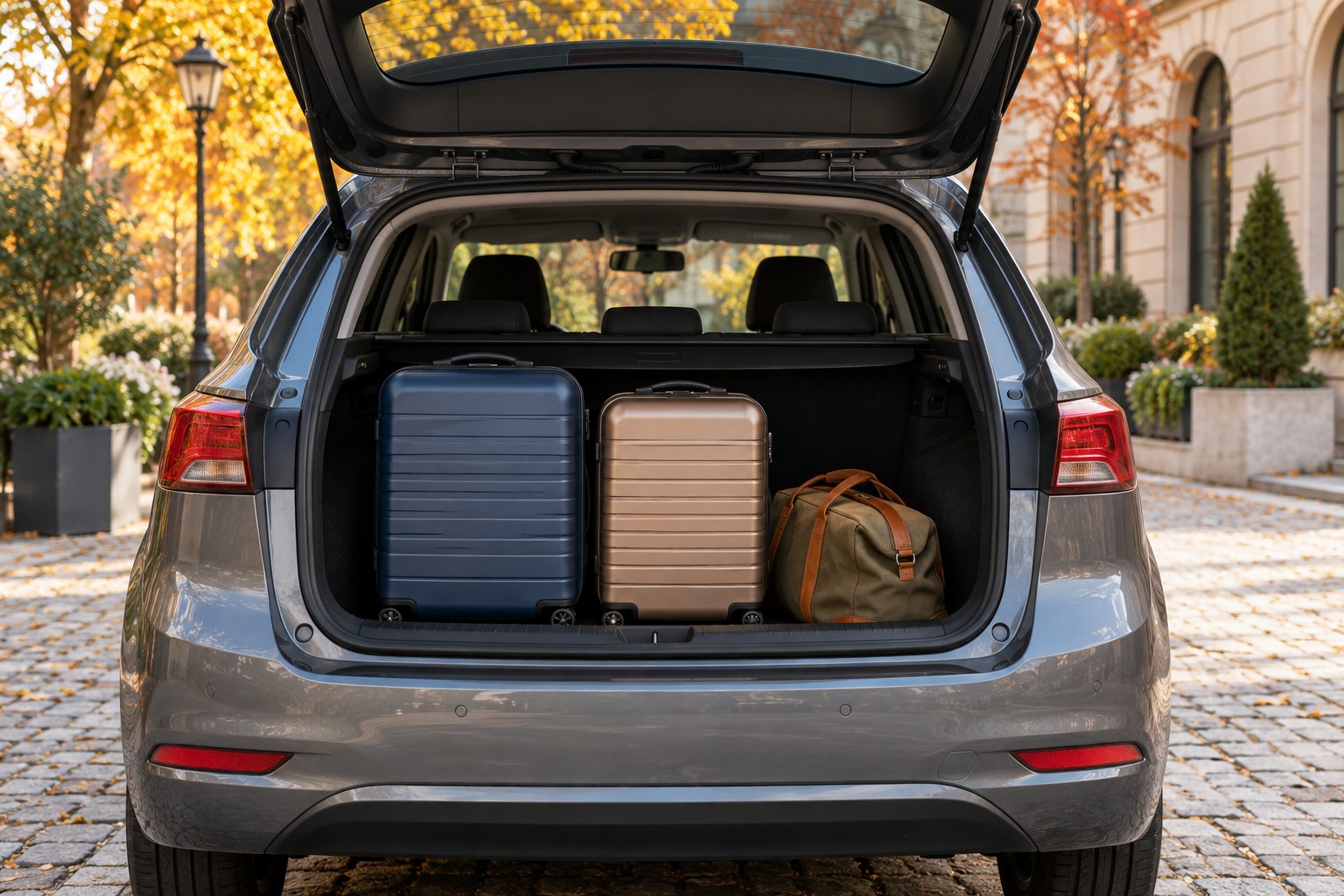
Count your bags and estimate their dimensions, including larger items such as a stroller, folding chair, or sports equipment. A boot capacity figure in litres does not show the shape of the space or the opening size. If uncertain, ask the rental company to confirm a suitable class or model.
Request child seats when booking
If you need a child seat, booster, or other equipment, do not leave the request until the last moment. Ask for written confirmation of availability, size, and any additional charge. Clarify who installs it. If bringing your own seat, check its compatibility with the vehicle and the installation method.
Match comfort to the route
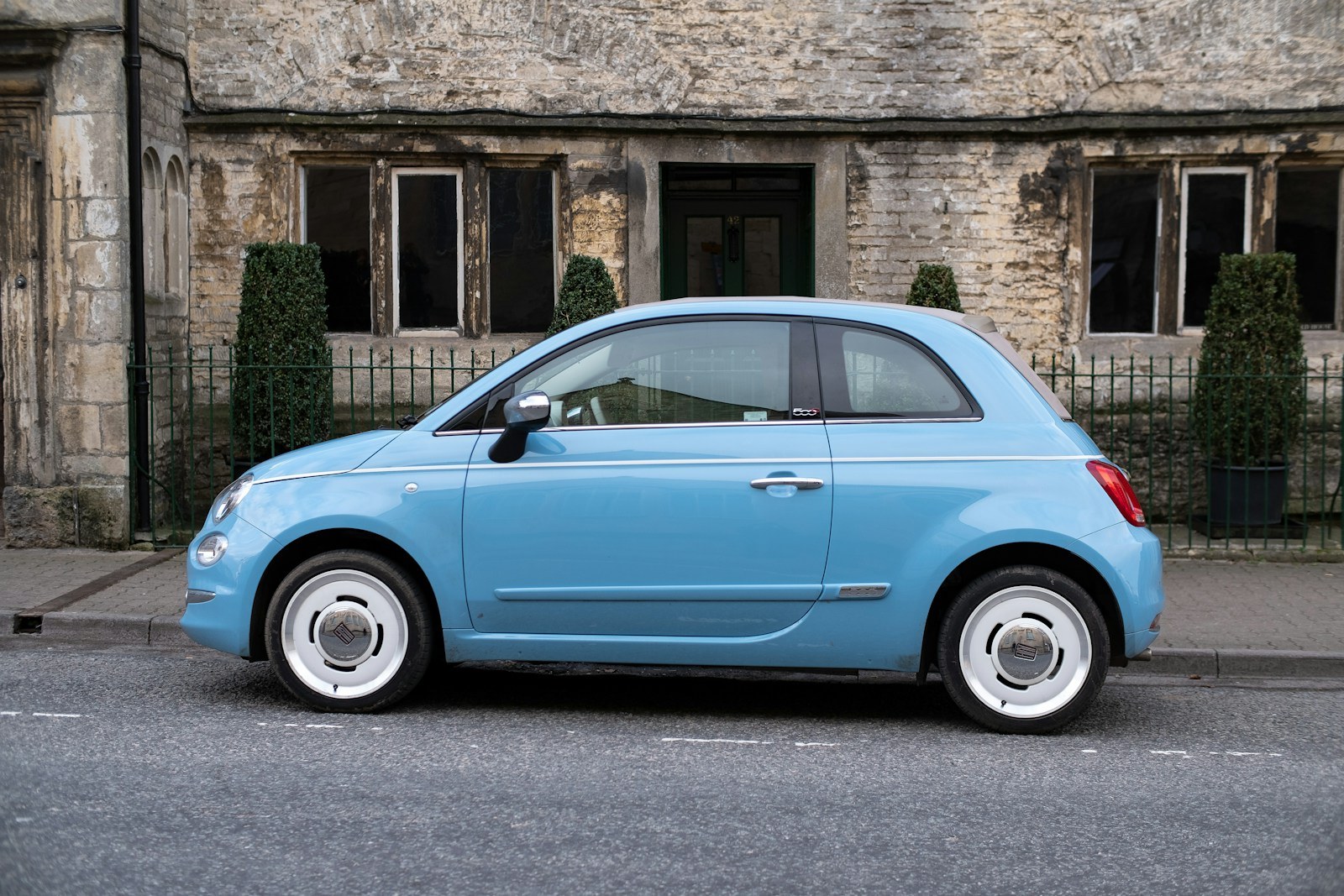
Compact size may matter more for narrow city streets and parking, while seat comfort and luggage space can matter on a longer drive. Share a short trip outline: passenger count, luggage, and expected route type. This helps identify a suitable class, though it does not guarantee a particular model.
Review the booking before departure
Read the confirmation for the vehicle class, pickup and return locations, insurance terms, and deposit conditions. At pickup, check that the luggage fits and any requested seats are present. If something does not match, speak with the attendant and agree on a solution before driving away.
Keep useful details in a short written checklist; it makes comparison easier and helps you return to questions that are still unresolved later.
Photo: Unsplash; illustrative photograph.